
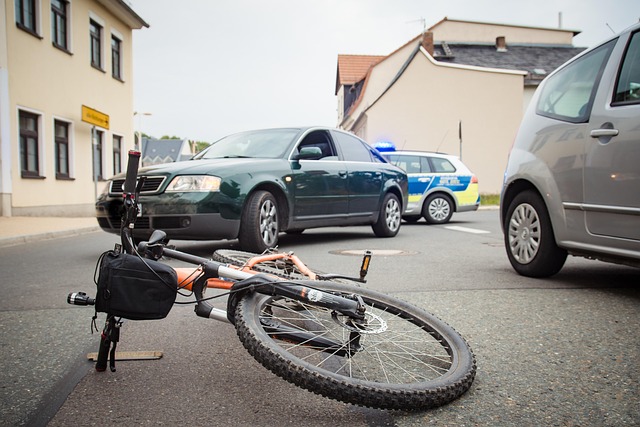
Healing after a cycling collision does not follow one fixed schedule. A bicycle accident may cause injuries that improve within weeks, while others require surgery, rehabilitation, or years of continued care. Understanding likely recovery periods can help injured riders follow treatment plans and avoid settling bicycle accident claims before the medical picture becomes clear.
Road Rash and Soft-Tissue Injuries May Take Longer Than Expected
Surface wounds can look simple at first, yet deep road rash may damage several layers of skin. Cleaning, dressing changes, infection monitoring, and scar treatment may continue for weeks after a bicycle crash. Severe abrasions sometimes require skin grafts, especially when gravel or debris becomes embedded in the wound.
Muscle strains and ligament sprains often worsen during the first few days as swelling develops. Mild injuries may improve within several weeks, while significant tears can require months of physical therapy. Continued pain may also lead doctors to order imaging that reveals damage missed during the first examination.
Insurers sometimes treat soft-tissue injuries as minor because they do not always appear on an X-ray. Therapy notes, wound photographs, medication records, and measurements of reduced movement can show how recovery actually progressed. Complete documentation helps bicycle accident cases reflect the time and treatment needed rather than the injury’s outward appearance alone.
How Long Does Recovery From a Fracture Usually Take?
Simple fractures may begin healing within six to eight weeks, but that estimate does not mean the rider has fully recovered. Wrist, collarbone, rib, ankle, and leg fractures can leave stiffness, weakness, and limited movement after the bone joins. Returning to work or cycling safely may require additional strengthening and medical clearance.
Complex breaks often follow a much longer timeline. Surgery, plates, screws, pins, or external supports may be needed when bones are displaced, shattered, or exposed through the skin. Infection, delayed union, nerve damage, and joint involvement can extend treatment for many months after the bike accident.
Future problems may appear even after doctors confirm bone healing. Post-traumatic arthritis, hardware irritation, chronic swelling, and reduced range of motion can affect daily tasks or employment. Bicycle accident claims should consider those lasting effects before compensation is valued solely around the initial hospital stay.
Concussion Symptoms Can Change From Week to Week
Mild concussions may improve within days or several weeks, though recovery varies greatly between patients. Headaches, dizziness, nausea, light sensitivity, sleep trouble, and difficulty concentrating can interfere with school, work, and driving after a bicycle accident. Mental rest and gradual activity are often necessary during the early stage.
Persistent symptoms may continue for months in cases of post-concussion syndrome. Neurological evaluations, cognitive therapy, balance training, and medication can become part of ongoing care. Prematurely returning to demanding work or another activity with a risk of head impact may slow improvement or increase danger.
Memory changes and emotional symptoms deserve the same attention as physical pain. Family members may notice irritability, confusion, slower speech, or unusual fatigue before the injured rider does. Medical records describing these changes can become important when insurers question why a bicycle crash caused extended time away from normal responsibilities.
Joint, Tendon, and Nerve Damage Often Requires Gradual Rehabilitation
Shoulder separations, torn knee ligaments, wrist injuries, and damaged tendons can take several months to heal. Treatment may begin with rest and bracing, then move into controlled exercises that rebuild stability and strength. Surgery can lengthen the timeline when tissue cannot repair adequately on its own.
Nerve injuries are less predictable because damaged nerves regenerate slowly. Tingling, numbness, burning pain, weakness, or reduced grip may improve over months, remain unchanged, or become permanent. Testing can help doctors locate the damage and decide whether therapy, medication, injections, or an operation may help.
Work restrictions may continue even after the rider can handle basic household tasks. Repetitive lifting, typing, climbing, driving, or standing can trigger pain that does not appear during a brief office examination. Detailed employment records and functional testing help bicycle accident cases account for reduced earning ability during a prolonged recovery.
Severe Trauma Can Create a Lifetime Care Timeline
Spinal cord damage, major brain injury, amputation, and internal organ trauma may never follow a traditional recovery path. Rehabilitation often focuses on improving independence, preventing complications, and adapting to permanent physical changes. Wheelchairs, prosthetics, accessible vehicles, home modifications, and personal assistance may be necessary for years.
Progress can occur in stages rather than along a steady line. A cyclist may gain strength during inpatient rehabilitation, face setbacks after infection or additional surgery, and later need new equipment as physical needs change. Long-term medical planning should account for replacement devices, specialist visits, medications, counseling, and support services.
Settlement timing becomes especially important in severe bicycle accident claims because early bills show only part of the future cost. Life-care planners, physicians, vocational professionals, and financial specialists may help estimate treatment needs and lost earning capacity. The Lackey Law Firm can review medical timelines, gather specialist opinions, document work limitations, and challenge settlement offers that overlook continuing care, helping injured riders pursue compensation based on the full effect of the bicycle crash.

